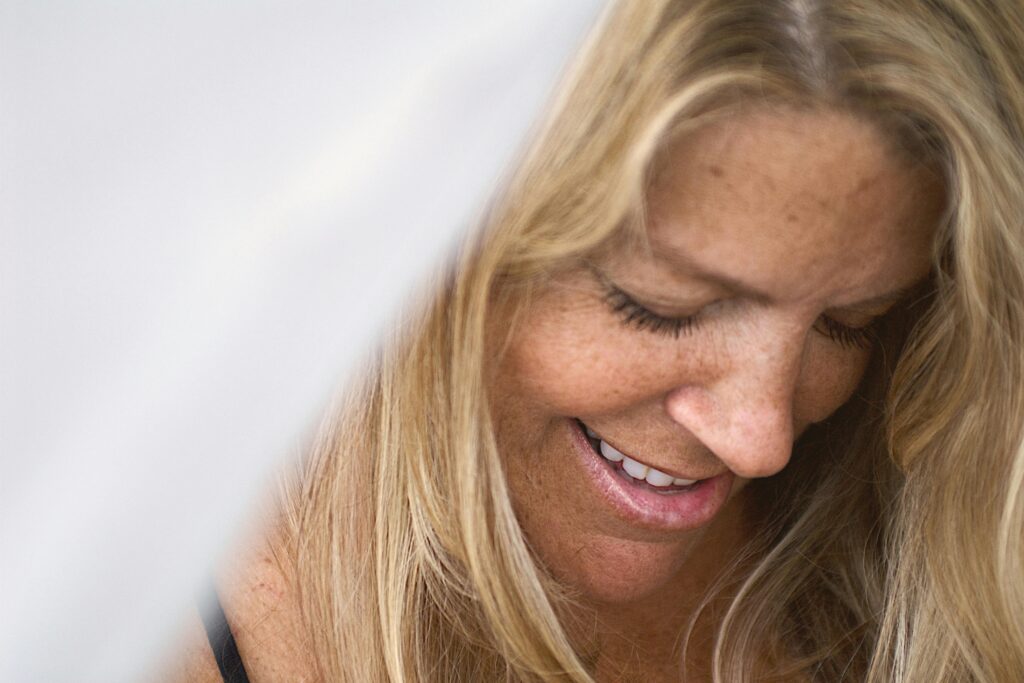
Ever flipped through old photos and barely recognized yourself? That’s what happens when you document your recovery. You’ll catch things you’d miss otherwise – the way your eyes get clearer, how your smile stops looking forced. Photography isn’t just about pretty pictures here. It’s about proof that you’re changing, especially on days when you can’t feel it.
Most people think documenting recovery means taking sad “before” photos and triumphant “after” shots. But that’s missing the whole point. The real magic happens in between – in those ordinary Tuesday afternoons when you’re just living your life, one day at a time.
Why Your Camera Becomes Your Best Recovery Tool
Here’s where the Recovery process gets visual. You know those days when you feel like nothing’s changing? Your photos will tell a different story. They’ll show the small wins you forgot about – that first genuine laugh, the morning you woke up without immediately thinking about using, the day you actually enjoyed coffee without needing anything else.
Staying sober often means relearning how to see beauty in regular life. And honestly? A camera helps with that. You start noticing things. The way morning light hits your kitchen table. Your kid’s face when they’re concentrating on homework. These aren’t Instagram moments – they’re real life, and they’re yours.
The recovery process isn’t linear, and your photos won’t be either. Some days you’ll take fifty pictures. Other days, maybe just one. That’s okay. You’re not trying to become a photographer. You’re just keeping track of who you’re becoming.
Many find that taking photos gives them something to do with their hands during tough moments. Instead of reaching for old habits, you reach for your camera. It’s a healthy distraction that actually produces something meaningful.
Getting Started Without Overthinking It
You don’t need fancy equipment. Your phone works fine. Actually, it’s better than fine – it’s always with you, which is what matters. The best camera for documenting recovery is the one you’ll actually use.
Start simple. Here’s a basic framework to follow:
1. Take one photo every day, no matter what
2. Write a quick note about how you’re feeling
3. Don’t delete anything (even the “bad” ones)
4. Review your photos weekly
5. Share selectively – this is mainly for you
But here’s what makes this different from regular photography. You’re not looking for perfect shots. You’re looking for honest ones. That means photographing the messy parts too. The empty fridge before you learned to grocery shop sober. The pile of bills you’re finally facing. Your first attempt at making dinner that turned out terrible.
Staying sober means dealing with reality, and photos help you track how you’re handling it. You might photograph:
– Your morning routine (coffee, breakfast, whatever grounds you)
– New activities you’re trying
– People who support your recovery process
– Places that feel safe
– Small accomplishments others might not understand
The Technical Stuff (Keep It Simple)
Don’t get hung up on camera settings. But a few basic tips help:
– Natural light usually looks better than flash
– Get closer than you think you need to
– Take multiple shots – one usually turns out decent
– Focus on faces and details, not wide shots
– Morning and evening light tends to be more forgiving
Making It Meaningful Without Being Cheesy
So how do you avoid turning this into a cliché recovery scrapbook? Easy. Document the weird stuff. The mundane stuff. The stuff that doesn’t seem important.
Photograph your hands doing something productive. Your unmade bed (because you got up and did something instead of staying in it). The receipt from your first sober birthday dinner. Your AA chip next to your car keys. These details matter more than any posed “transformation” shot.
Staying sober often means finding new rituals. Maybe Sunday mornings become photo-sorting time. You make coffee, sit down, and look through the week. You’ll start seeing patterns. Progress. Maybe even beauty in the struggle.
And when you hit rough patches (because you will), these photos become evidence. Evidence that you’ve survived hard days before. Evidence that good moments exist. Evidence that the recovery process, messy as it is, actually leads somewhere.
Some people make photo books every few months. Others keep everything digital. Doesn’t matter. What matters is that you’re creating a visual record of becoming yourself again. Or maybe for the first time.
Ready to Start Your Visual Recovery Story?
Your recovery deserves to be documented. Not for social media. Not for anyone else. But for you, on the days when you need reminding that you’re stronger than you think.
If you’re ready to explore treatment options and start building your own recovery story, call 855-675-1892. They can connect you with programs that understand recovery is about more than just stopping use – it’s about building a life worth documenting.
Next steps to begin documenting your journey:
– Take your first photo today (right after reading this)
– Create a private folder on your phone just for recovery photos
– Set a daily reminder to take at least one picture
– Start a simple note system (date + one sentence about the photo)
– Give yourself permission to be bad at this – you’ll get better